-

Synthetic Data in Computer Vision: From Scientific Revolution to Industrial Applications
The Revolution That Started in the Lab Over the past decades, we have witnessed a quiet yet powerful transformation in computer vision: synthetic data has shifted from an experimental resource to the backbone of cutting-edge commercial applications. What began as academic research now powers everything from autonomous vehicles to industrial safety systems. Digital Humans: The…
-

The Collapse of “Ghost AI”: What Builder.ai and Amazon Teach Us – and Why SynthVision Is Different
When pretending to use AI is easier than actually building AI Recently, cases like Builder.ai — a UK-based startup backed by tech giants like Microsoft — reignited a crucial discussion about transparency in AI. The company, once valued at over $1 billion, promised to use artificial intelligence to create custom apps. In practice, however, it…
-

Synthetic Data: The Foundation for More Robust and Scalable AI Solutions
The AI revolution is driven not just by algorithms but by the quality and diversity of the data that power these systems. Synthetic data is emerging as a critical tool, offering significant advantages over traditional data collection methods. In this post, we’ll explore the benefits of synthetic data and how it can transform AI applications,…
-
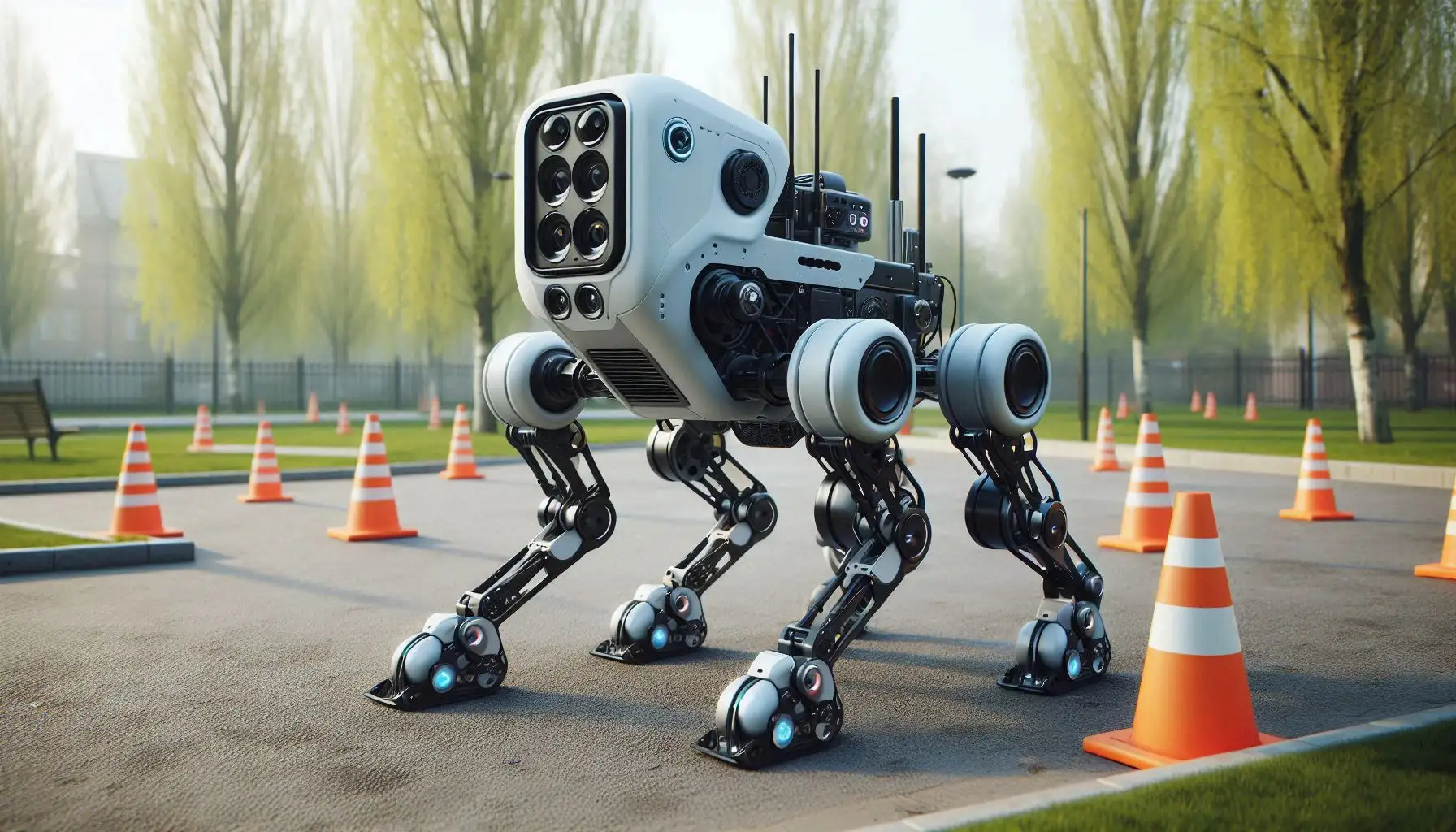
Synthetic Data: The Future of Robotics – An analysis of MIT CSAIL’s LucidSim
Robotics has made tremendous strides in recent decades, especially in the area of machine training. One groundbreaking example is the recent work from the MIT CSAIL team on “LucidSim,” a platform that combines generative artificial intelligence and physics simulation to create highly realistic virtual environments. The goal is to enable robots to train more effectively,…
-

Introduction to Synthetic Data Generation: How to Turn Challenges into AI Solutions
What is Synthetic Data? Synthetic data is information artificially generated through computer simulations or AI algorithms, rather than being collected directly from the real world. It replicates real-world data conditions, making it suitable for training AI/ML models. Unlike real-world data, which can be limited and difficult to obtain, synthetic data offers complete control over variations…

computer vision applications
Archive
Categories
Recent Posts
- SynBalance: balancing rare classes with synthetic data

- Synthetic Data in Computer Vision: From Scientific Revolution to Industrial Applications

- ROSE: Object Removal in Videos Powered by Synthetic 3D Data

- DAViD by Microsoft: A Public Milestone in Computer Vision with Synthetic Data

- Is AI “shutting down” our brains? A reflection beyond the hype